What are the 7 stages of implementing United We Transform?
Direct answer: The 7 stages are the book's implementation roadmap: Cultivate an AI-Augmented Mindset, Define the Implementation Mission, AI-Enhanced Problem Scoping, Strategic Stakeholder Engagement, STACK-Powered Engagements, Asset Building and Knowledge Sharing, and Optimized Operations. Together they turn United We Transform from a workshop method into how an organization runs.
The seven stages.
The roadmap runs from how people think about AI to how the organization operates with it.
- Cultivate an AI-Augmented Mindset. Augmentation, not replacement. Transparent AI use, clear human accountability and continuous learning.
- Define the Implementation Mission. A clear internal vision, informed by AI analysis of employee perspectives.
- AI-Enhanced Problem Scoping. Apply UWT to a real internal challenge and build early wins and champions.
- Strategic Stakeholder Engagement. Find the influencers and early adopters, and give client-facing teams AI co-pilots.
- STACK-Powered Engagements. Design AI-augmented working sessions with rapid Scan, Focus, Act cycles.
- Asset Building and Knowledge Sharing. Turn what sessions produce into a searchable knowledge base and training.
- Optimized Operations. Embed AI in core processes, with real-time monitoring and feedback loops.
Where it sits in the book.
Chapter 3 turns the nine-element system into a staged path. It opens with visible executive commitment. Leaders have to challenge entrenched practices, fund capability building and model responsible AI work.
Figure 3.1 shows the six leadership moves that carry the roadmap, from articulating why to maintaining commitment. Stage 7 points toward the Augmented Operating Engine, the end state the book describes in Chapter 9.
How it shows up in real gatherings.
Evidence from the Atlas: 23,624 public event agendas scored with the published rubric.
Public agendas show the roadmap thinning out after stage 5. Across 23,624 scored agendas, 10,888 show visible participant work, the working-session core of stage 5. The later stages barely appear. Only 52 agendas show follow-up after the event and 319 show any tracking. Overall, 92.2 percent (21,781) show no visible follow-up, tracking or impact evidence. Stages 6 and 7 are where the value compounds, and they're the ones public agendas skip.
Data: Gathering statistics · Design mechanisms · How the score works. Scores describe the published agenda, not the event's worth.
The figure in the book.
Source-resolution diagram from the canonical manuscript.
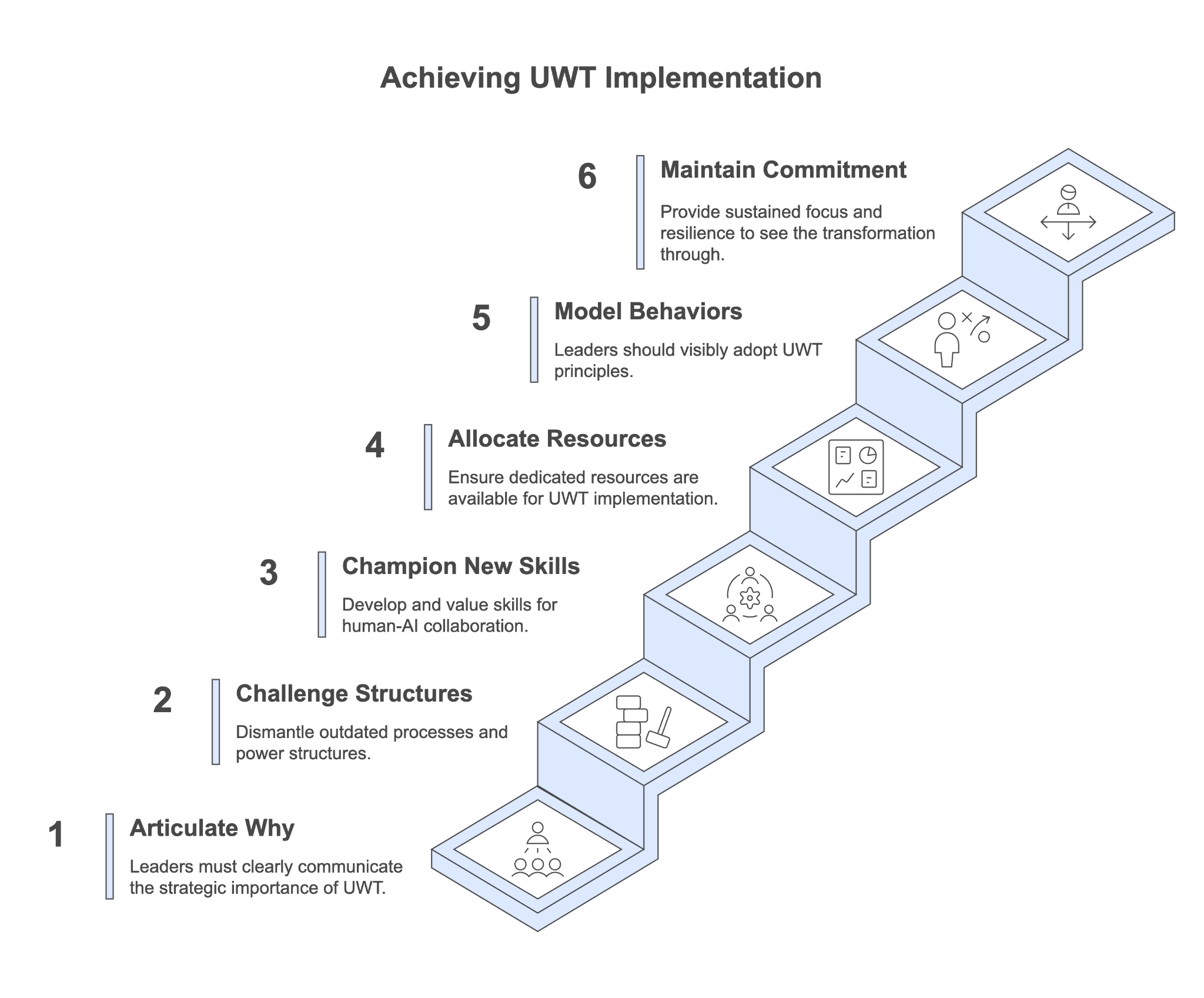
Figure 3.1: Achieving UWT Implementation
Canonical manuscript page 86Questions people ask.
- What comes before stage 1?
- Visible executive commitment. The chapter argues leaders must challenge entrenched practices, fund capability building and model responsible AI-augmented work.
- Where does STACK fit in the roadmap?
- Stage 5. STACK-powered engagements are where the roadmap turns into working sessions.
- Is stage 7 the same as the Augmented Operating Engine?
- No. Stage 7 points toward it. The Augmented Operating Engine is the Chapter 9 end state, where all nine elements work together continuously.
- Where are the 7 stages in the book?
- Chapter 3, Implementing UWT, pages 85 to 100.
Keep going.
Which stage is your organization in right now?
Source boundary: this definition draws on canonical manuscript pages 85 to 100 and the book's lexicon. It summarizes the framework and does not reproduce the chapter prose.