Skip to book content
United We TransformCreate teamsGrade your agenda
Chapter 3 ยท canonical pages 84-102

Implementing UWT - A Roadmap for AI-Enabled Collaboration

Turns the UWT system into an implementation roadmap. The chapter moves from executive sponsorship and mindset formation through mission definition, AI-enhanced problem framing, stakeholder engagement, STACK-based working sessions, shared assets, and learning-oriented operations.

The chapter in four ideas.

Concise companion summaries with canonical source pages.

Key idea

Visible executive commitment is necessary to challenge entrenched practices, fund capability building, and model responsible AI-augmented work.

Source page 85, 88

Key idea

Implementation begins with a clear mission and an AI-Augmented Collaborative Intelligence Mindset built on augmentation, transparency, accountability, and continuous learning.

Source page 88, 90

Key idea

AI can improve problem scoping and stakeholder engagement when humans retain responsibility for context, judgment, and relationships.

Source page 90, 93

Key idea

STACK-based engagements, reusable knowledge assets, and feedback loops turn isolated workshops into sustained operating capability.

Source page 93, 99

Frameworks named in the chapter.

Use these as an orientation layer before the diagrams and practice prompts.

Named framework

UWT Implementation Roadmap

A staged path from executive mandate and mission through problem scoping, stakeholder engagement, AI-powered collaboration, knowledge assets, and operational optimization.

Source page 85, 100

Named framework

AI-Augmented Collaborative Intelligence Mindset

A mindset grounded in AI augmentation of human capability, transparent use, human accountability, and continuous learning.

Source page 88, 89

Named framework

STACK Model

A structured engagement sequence comprising Situation, Task, Action, Consequence, and Knowledge.

Source page 93, 96

Practitioner toolkit.

Three immediate actions, three AI levers, and three critical reflection questions exactly as structured in the chapter.

Immediate actions

  1. As a leadership team, honestly discuss your collective readiness to champion the UWT transformation, including challenging sacred cows and modeling new AI-augmented behaviors. Identify one specific action leadership will take this month to visibly support the UWT initiative.
  2. Schedule a 1-hour workshop with a key team to introduce the principles of an AI-Augmented Collaborative Intelligence Mindset (Augmentation, Transparency, Accountability, Continuous Learning). Collaboratively identify one current team practice that could be improved by applying one of these principles.
  3. For your team or department, draft a concise (1-3 sentences) "Implementation Mission Statement" for adopting UWT and AI. What specific, tangible benefits are you aiming for in your area through this transformation?

AI levers

  1. Select a well-defined internal challenge. Task a small team to use at least one AI research or data analysis tool to gather insights about this problem, aiming to produce a clearer problem definition than current methods allow.
  2. For your UWT implementation, use an AI tool or advanced search techniques to help identify key internal influencers, potential resistors, and departments most likely to benefit from early UWT adoption. Use this to inform your engagement strategy.
  3. For an upcoming strategic meeting or workshop, use an AI writing assistant to help you outline the agenda using the STACK framework. Ask the AI to suggest questions or data points relevant to each STACK element for that specific topic.

Critical reflection questions

  1. What are the most significant internal obstacles or resistances our leadership might face in driving the UWT revolution, and how can these be proactively addressed to ensure sustained commitment?
  2. As we cultivate the AI-Augmented Collaborative Intelligence Mindset, how will we ensure that transparency and accountability are maintained, especially when AI tools provide insights that challenge existing beliefs or influence critical decisions?
  3. What current knowledge silos within our organization would be most critical to break down to ensure that learnings from our UWT implementation and AI experimentation are effectively disseminated and leveraged enterprise-wide?

Figures and visual models.

Every associated framework is available at source resolution.
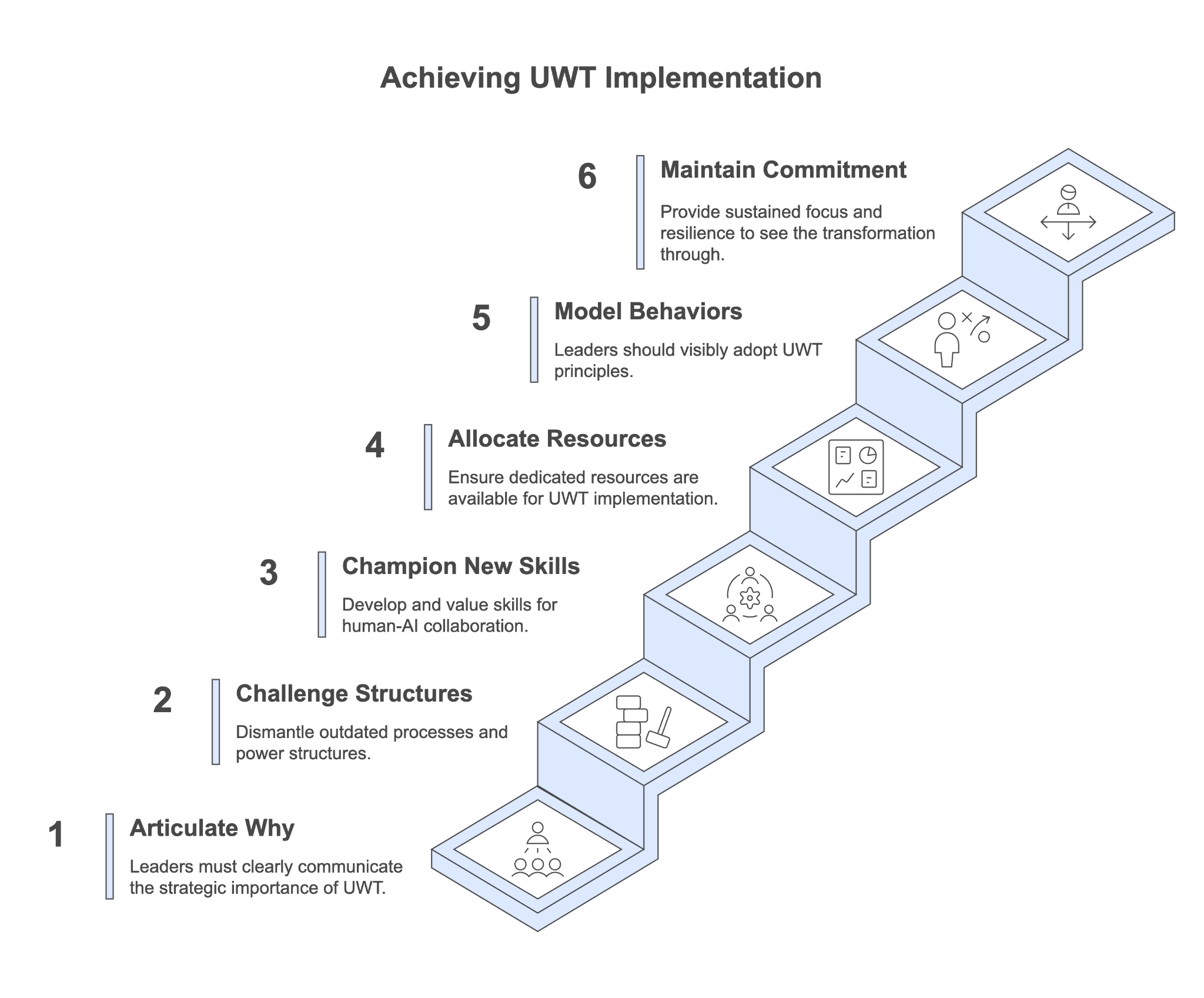
Figure 3.1: Achieving UWT Implementation

Figure 3.1: Achieving UWT Implementation

Canonical manuscript page 86
Figure 3.2: Essentials of UWT Implementation

Figure 3.2: Essentials of UWT Implementation

Canonical manuscript page 91
Figure 3.3: AI-driven STACK Sequence

Figure 3.3: AI-driven STACK Sequence

Canonical manuscript page 94
Figure 3.4: UWT-Powered Operations

Figure 3.4: UWT-Powered Operations

Canonical manuscript page 98

Source boundary: this companion derives from canonical manuscript pages 84-102. It publishes practice material and selected brief excerpts, not the complete chapter prose or manuscript PDF.