What is Scan, Focus, Act?
Direct answer: Scan, Focus, Act is a three-phase rhythm for group work: scan widely, focus the group's attention, then act and learn from the result. It comes from the MG Taylor DesignShop methodology, and United We Transform runs it as rapid, AI-supported micro-cycles inside STACK.
The three phases.
One cycle is short. The value comes from running many of them.
- Scan. Gather the widest useful set of data and perspectives. AI can pull and organize diverse sources.
- Focus. Narrow the options together. People and AI find the patterns worth acting on.
- Act. Take the next step, get immediate feedback, and feed it into the next cycle.
Where it comes from.
Scan, Focus, Act isn't a United We Transform invention. It comes from the MG Taylor DesignShop methodology, where the three phases give a multi-day collaborative working session its shape.
The book's contribution is speed and placement. With AI processing the group's input, a team can run many small Scan, Focus, Act cycles inside a single STACK stage, especially Action, and correct course as it goes.
How it shows up in real gatherings.
Evidence from the Atlas: 23,624 public event agendas scored with the published rubric.
The Atlas shows how rarely public agendas plan the loop. Of 23,624 scored agendas, 5,484 show a visible feedback mechanism, such as polling, critique, review or reflection. 2,854 (12.1 percent) are stage-only, wall-to-wall broadcast with no visible participant work, so there's nothing for the group to scan or act on. Among the 14,219 representative records, 100.0 percent of the top 5 percent (711 agendas) show participant work, against 7.2 percent of the bottom half.
Data: Gathering statistics · Design mechanisms · How the score works. Scores describe the published agenda, not the event's worth.
The figure in the book.
Source-resolution diagram from the canonical manuscript.
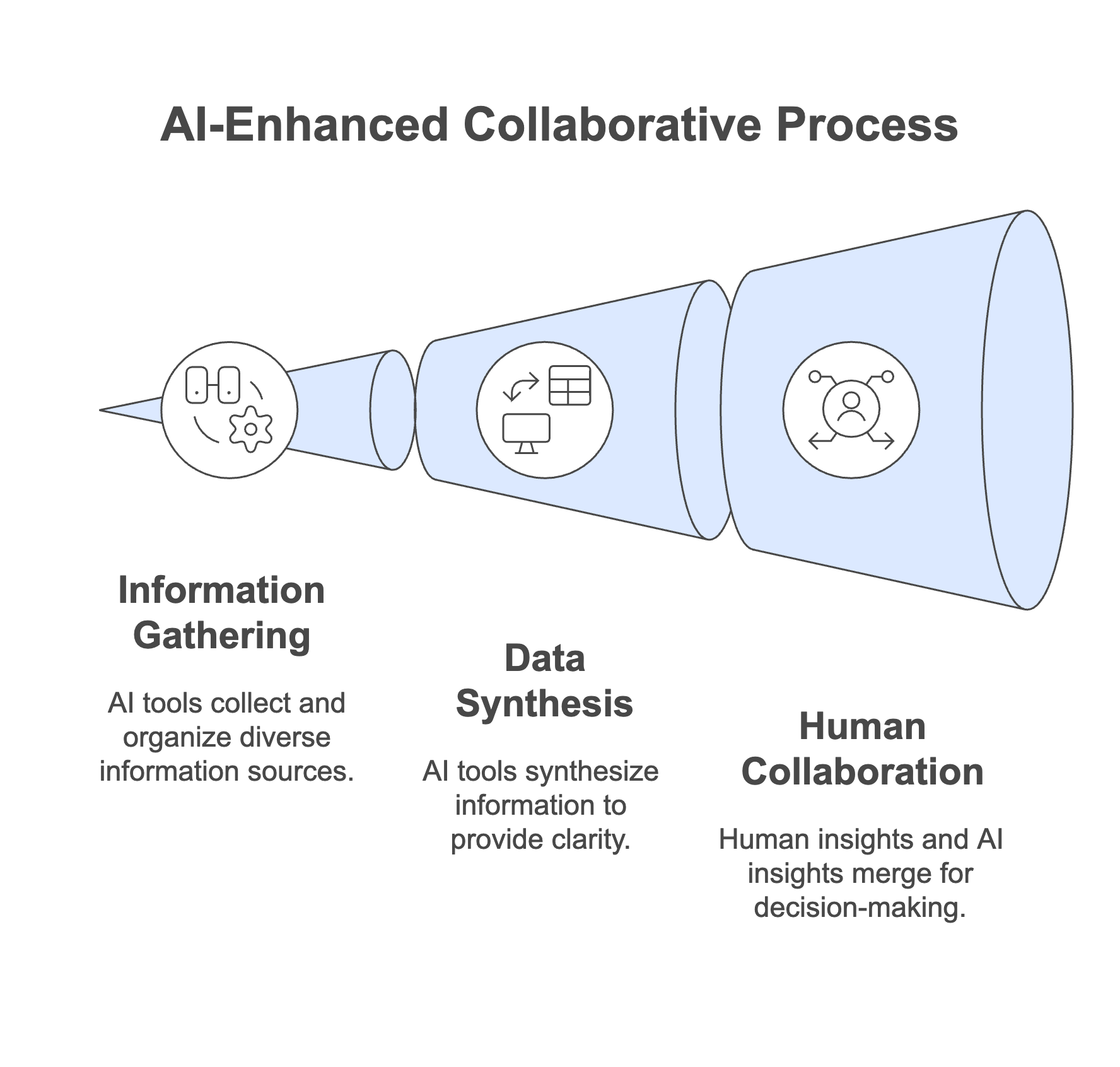
Figure 6.3: The AI-enhanced Collaborative Process
Canonical manuscript page 145Questions people ask.
- Did United We Transform invent Scan, Focus, Act?
- No. It comes from the MG Taylor DesignShop methodology. The book applies it as fast, AI-supported cycles inside STACK.
- How long is one cycle?
- The book doesn't fix a length. It describes rapid micro-cycles, short enough for AI to process the group's input and shape the next step inside the same session.
- Where does AI help most?
- In Scan and Focus, where it gathers and organizes wide input and then surfaces the points that matter. People stay accountable for the choice in Act.
- Where is it in the book?
- Chapter 6, The Rise of the Cognitor, pages 145 and 146. The lexicon entry is on page 214.
Keep going.
How many cycles could your next session run before lunch?
Source boundary: this definition draws on canonical manuscript pages 145 and 146 and the book's lexicon. It summarizes the framework and does not reproduce the chapter prose.