Skip to book content
United We TransformCreate teamsGrade your agenda
Chapter 1 · canonical pages 29-53

The Case for Clarity

Diagnoses the organizational cost of ambiguity and explains why collaborative intelligence, AI augmentation, and a Reset Mindset must work together to create shared clarity. It introduces the nine-part canvas and connects clarity to execution, engagement, adaptability, and measurable value.

The chapter in four ideas.

Concise companion summaries with canonical source pages.

Key idea

Ambiguity creates compounding losses through rework, slow decisions, weak ownership, disengagement, and stalled initiatives.

Source page 30, 33

Key idea

Collaborative intelligence combines diverse human perspectives with AI’s capacity to synthesize information and expose patterns.

Source page 34, 42

Key idea

A Reset Mindset enables teams to reframe setbacks, revisit assumptions, and adapt quickly instead of preserving obsolete patterns.

Source page 44, 49

Key idea

Clarity is an operating advantage with observable returns in speed, alignment, engagement, and implementation quality.

Source page 49, 51

Frameworks named in the chapter.

Use these as an orientation layer before the diagrams and practice prompts.

Named framework

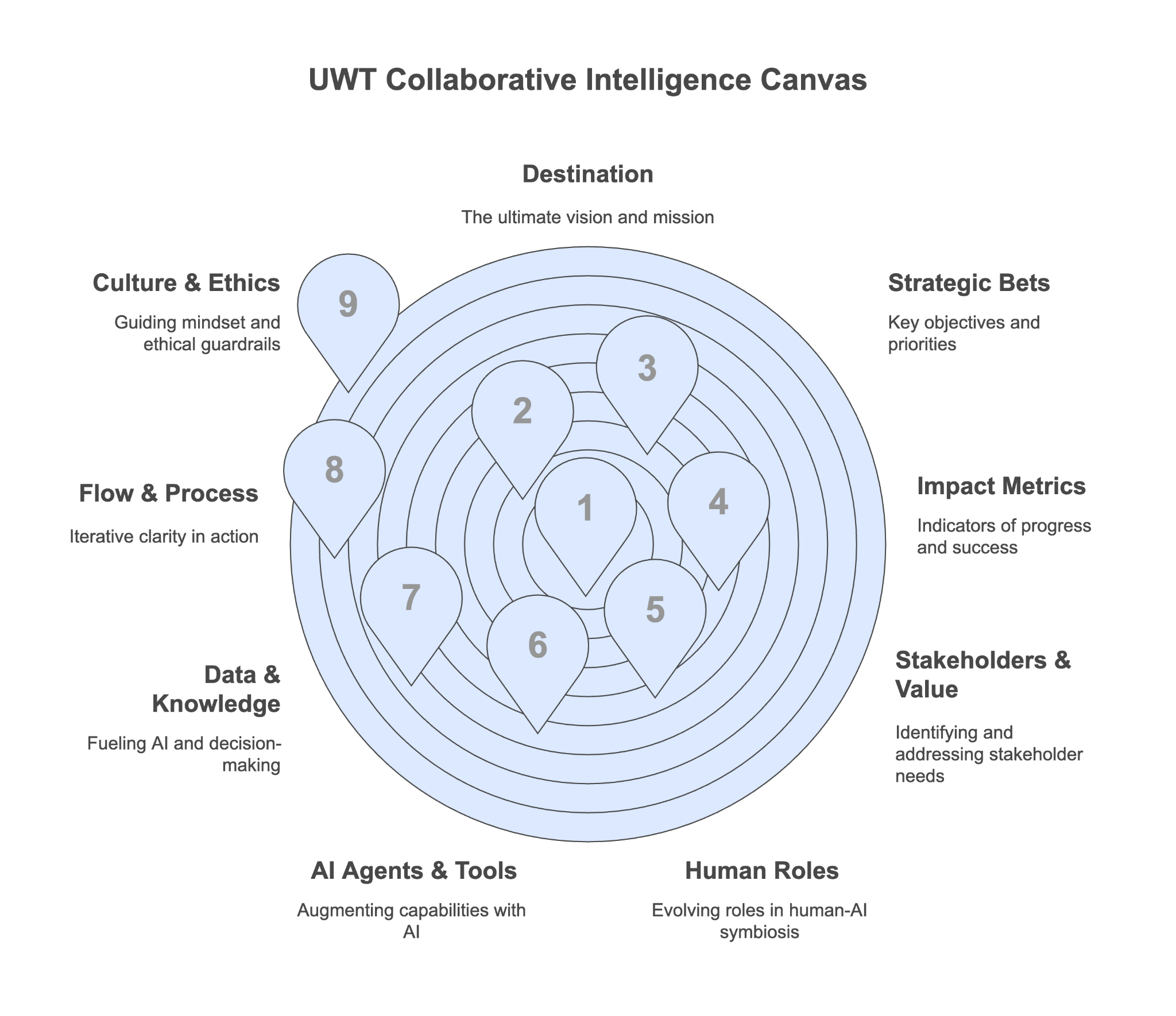
UWT Collaborative Intelligence Canvas

A nine-element digital canvas for aligning a strategic initiative across destination, priorities, measures, stakeholders, roles, AI, data, process, and culture.

Source page 36, 39

Named framework

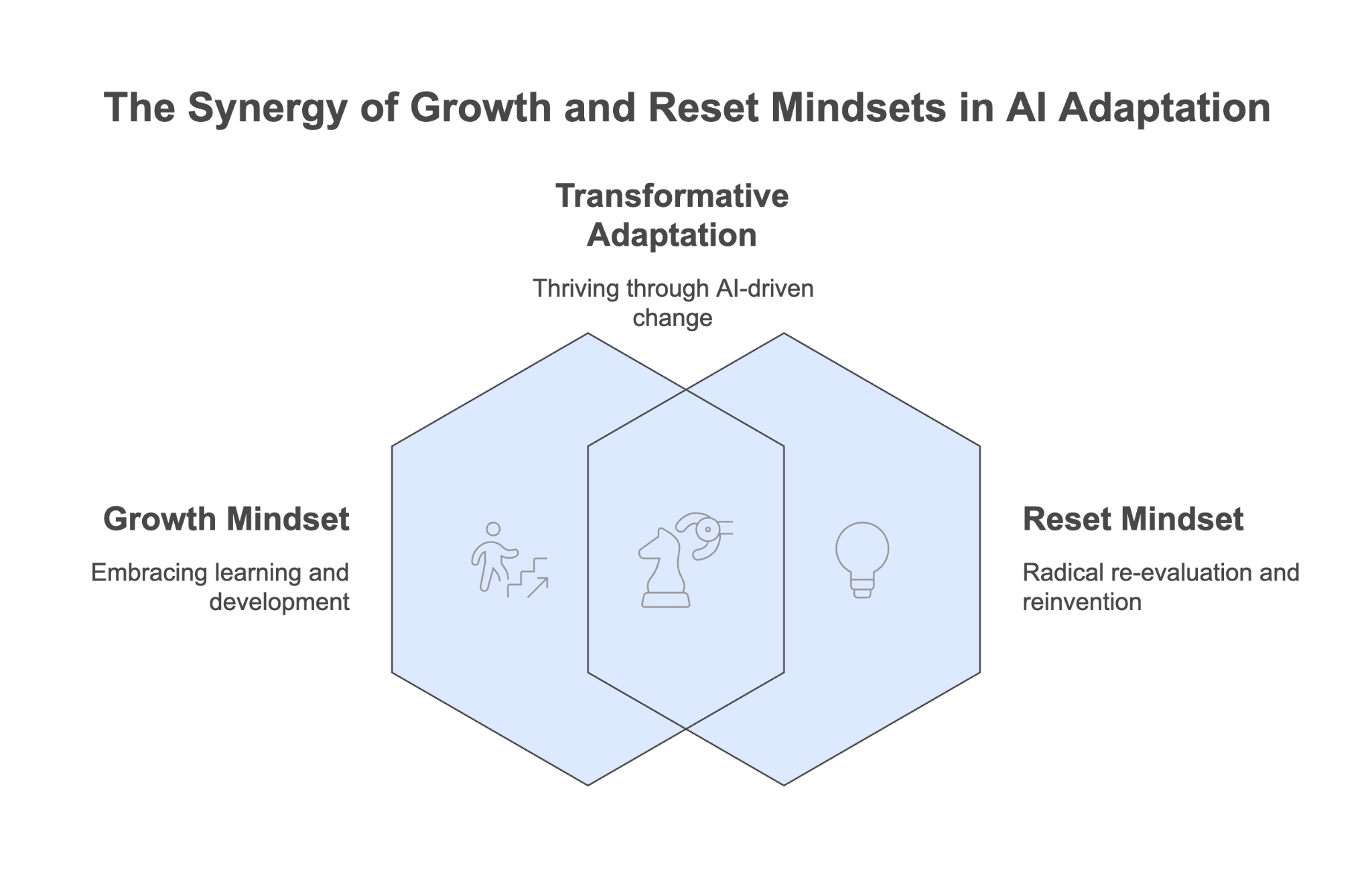
Reset Mindset

An adaptive posture that re-evaluates assumptions, reframes setbacks, works in short horizons, reassesses conditions, and uses the past to redefine the future.

Source page 44, 49

Named framework

UWT-Driven Clarity ROI

A value lens connecting increased clarity with improved decision quality, execution, engagement, innovation, and adaptability.

Source page 49, 51

Practitioner toolkit.

Three immediate actions, three AI levers, and three critical reflection questions exactly as structured in the chapter.

Immediate actions

  1. In your next team meeting, explicitly state the single desired outcome at the very beginning and then, at the end, verify with the group if that outcome was achieved and what the clear next steps are.
  2. Identify one recurring meeting or report in your schedule that often feels unclear or low value. Propose one specific change to its agenda, format, or necessity, framing your suggestion around improving clarity and focus.
  3. The next time you are assigning or receiving a task, practice the "Reset Mindset" attribute of "Uses past to redefine future" by briefly discussing any relevant learnings from similar past tasks that could inform a clearer approach this time.

AI levers

  1. AI for Information Synthesis: Experiment with an AI summarization tool on a lengthy document, email thread, or meeting transcript relevant to a current team challenge to quickly distill key insights and identify areas of ambiguity.
  2. AI for "Clarity Check" on Communications: Before sending an important internal announcement or project update, run the draft through an AI writing assistant with a prompt like "Critique this for clarity and conciseness for a busy executive audience."
  3. AI for Researching "Reset Mindset" in Action: Use an AI search engine or research assistant to find 2-3 case studies or articles about organizations that successfully navigated major change by "reinventing" themselves or "reframing setbacks," and share key lessons with your team.

Critical reflection questions

  1. Considering the nine UWT elements introduced, which two currently represent the biggest sources of ambiguity or "haze" within our team/organization? What’s one initial step we could take to address one of them?
  2. How might our team's ingrained communication habits or decision-making processes be inadvertently reinforcing a "Fixed Mindset" rather than the adaptive "Reset Mindset" needed for UWT success?
  3. If we were to fully embrace AI as a partner in "solving for clarity," what is the single most significant organizational or cultural roadblock we would need to overcome first?

Figures and visual models.

Every associated framework is available at source resolution.
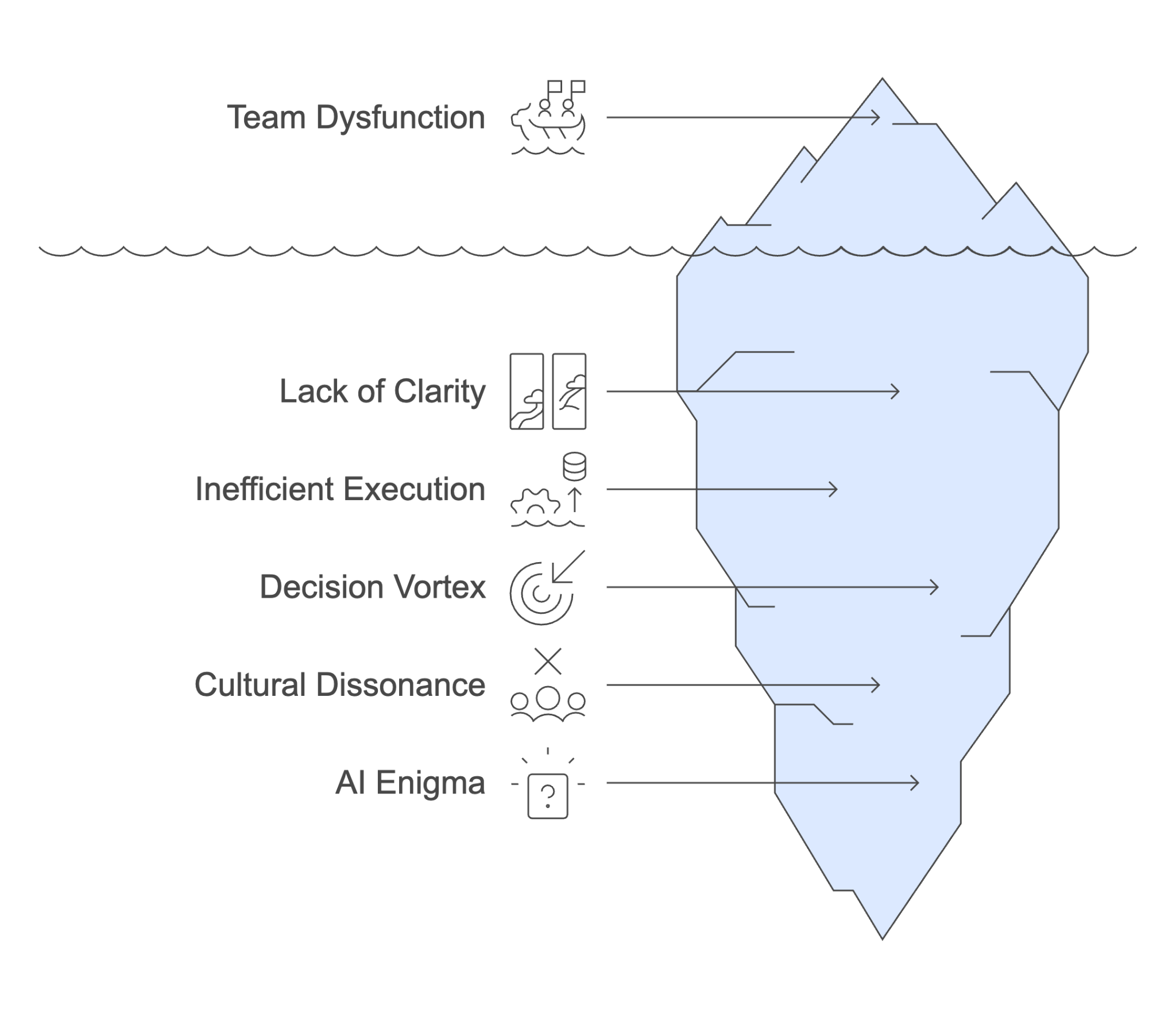
Figure 1.1: The Iceberg of Workplace Ineffectiveness

Figure 1.1: The Iceberg of Workplace Ineffectiveness

Canonical manuscript page 31
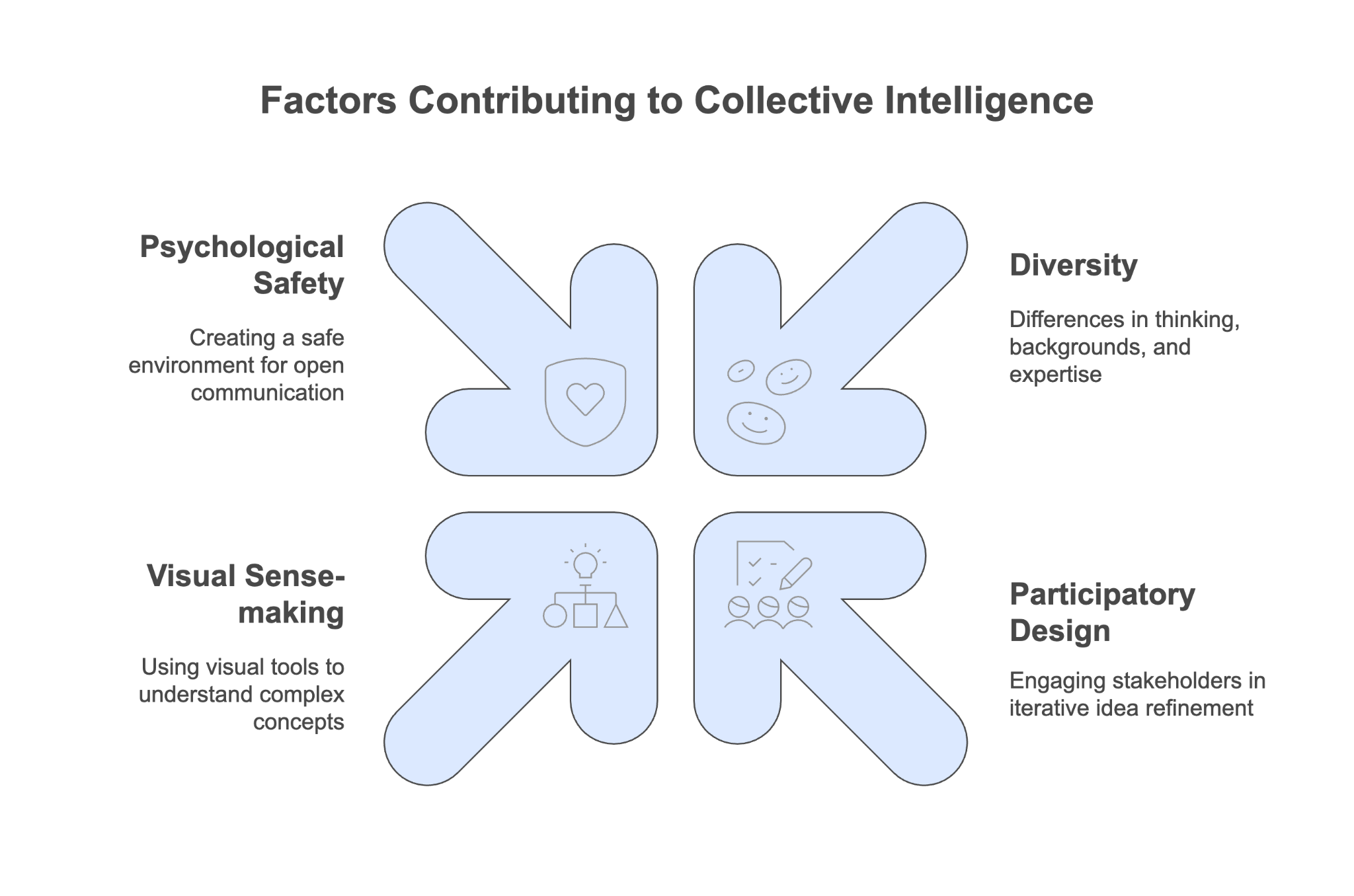
Figure 1.2: Human Factors Contributing to Collaborative Intelligence

Figure 1.2: Human Factors Contributing to Collaborative Intelligence

Canonical manuscript page 35
Figure 1.3: Unlocking Transformation with the UWT Collaborative Intelligence Canvas

Figure 1.3: Unlocking Transformation with the UWT Collaborative Intelligence Canvas

Canonical manuscript page 39
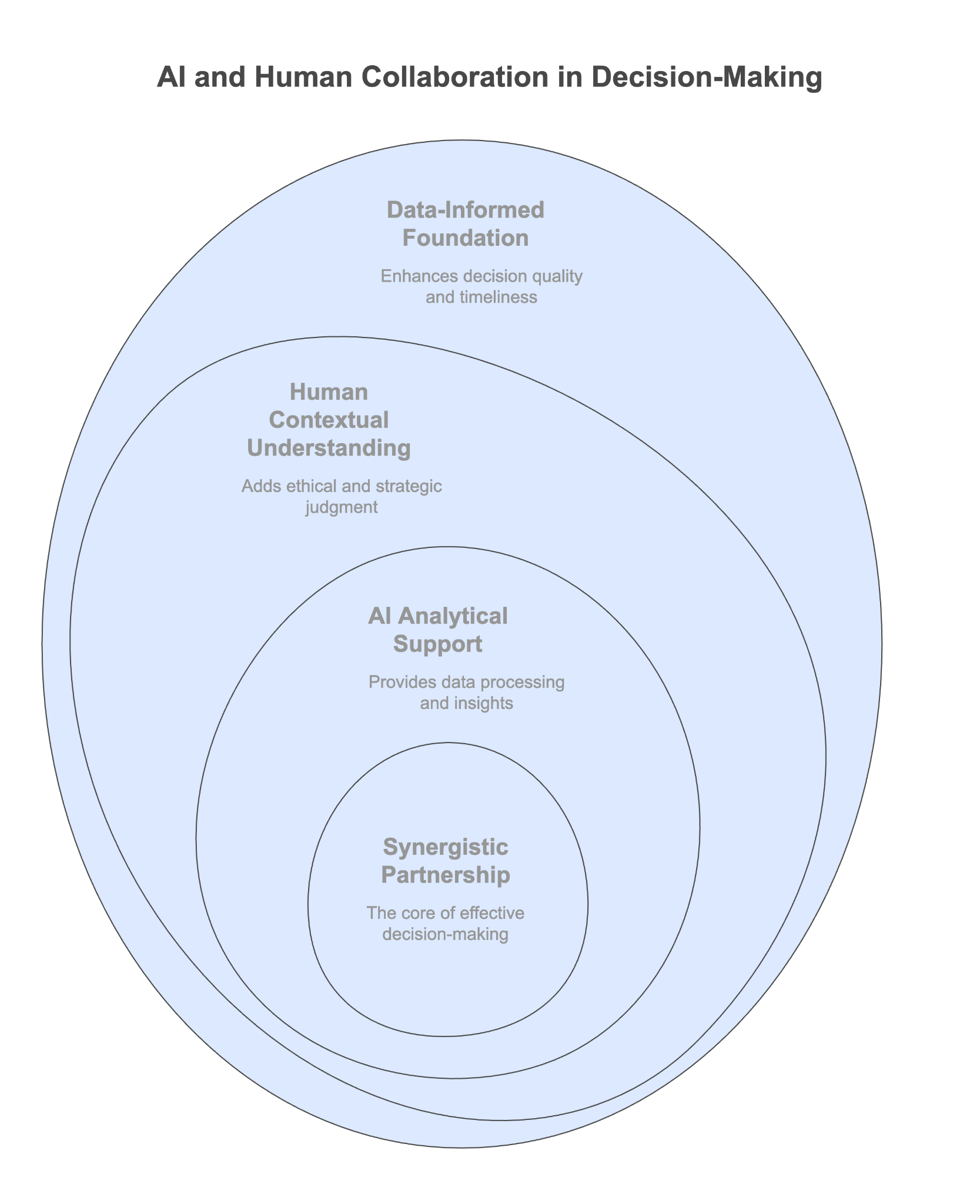
Figure 1.4: Synergistic Decision-making with AI

Figure 1.4: Synergistic Decision-making with AI

Canonical manuscript page 42
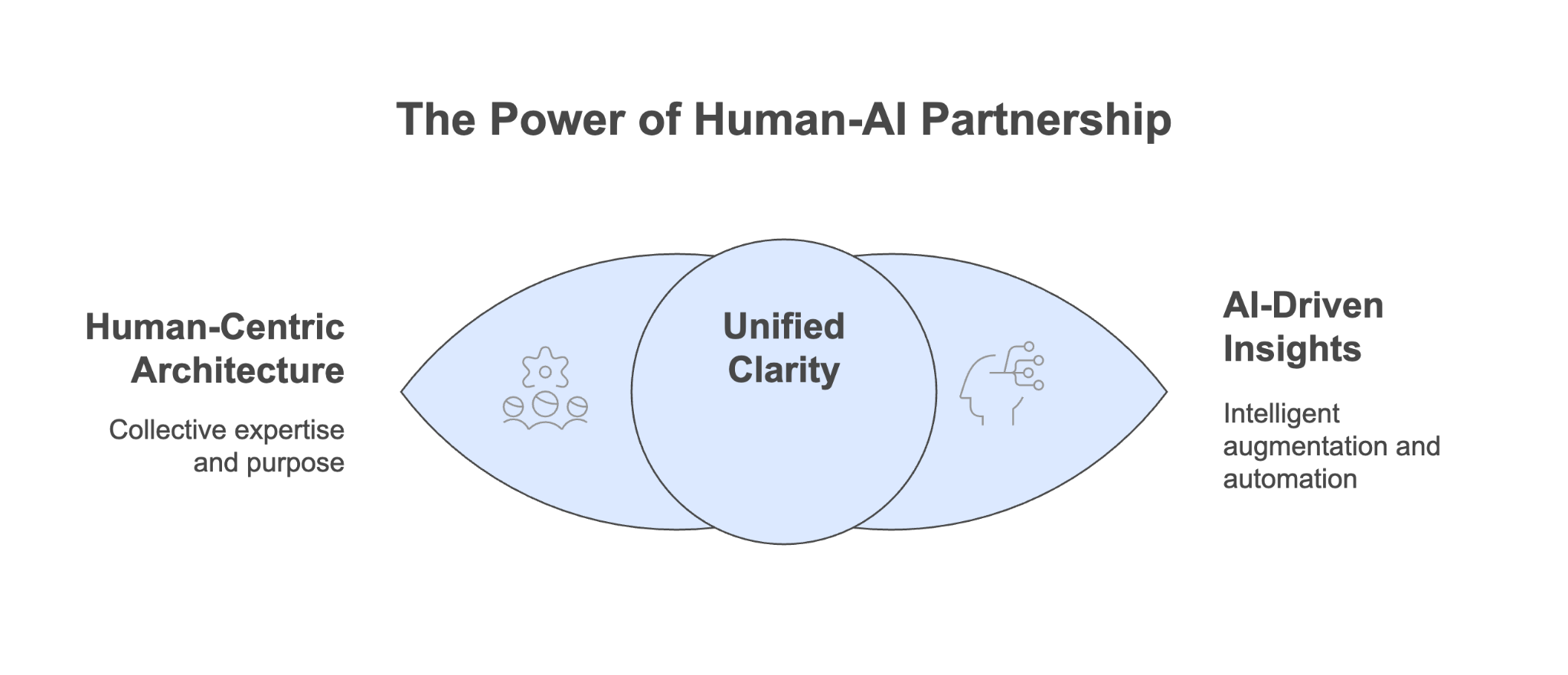
Figure 1.5: The Power of Human-AI Partnership for Clarity

Figure 1.5: The Power of Human-AI Partnership for Clarity

Canonical manuscript page 44
Figure 1.6: The Synergy of Growth and Reset Mindsets in AI Adaptation

Figure 1.6: The Synergy of Growth and Reset Mindsets in AI Adaptation

Canonical manuscript page 45

Source boundary: this companion derives from canonical manuscript pages 29-53. It publishes practice material and selected brief excerpts, not the complete chapter prose or manuscript PDF.