Skip to book content
United We TransformCreate teamsGrade your agenda
Chapter 8 ยท canonical pages 174-185

Illuminating the Implementation Path - Human-AI Collaboration from Forged Solutions to Verifiable Results

Carries a designed solution into execution, adaptive delivery, and evidence-based verification. It shows AI supporting roadmap design, risk analysis, real-time monitoring, feedback synthesis, and outcome measurement while humans retain oversight, contextual judgment, ethical responsibility, and validation of strategic intent.

The chapter in four ideas.

Concise companion summaries with canonical source pages.

Key idea

AI can decompose implementation work, model dependencies and trade-offs, and expose risk earlier, producing more dynamic roadmaps.

Source page 175, 177

Key idea

During delivery, predictive monitoring and rapid feedback synthesis can enable faster adaptation when paired with meaningful human oversight.

Source page 177, 179

Key idea

Verification must connect measured outcomes to strategic intent, stakeholder experience, and qualitative value rather than stopping at activity metrics.

Source page 179, 182

Key idea

Human-AI symbiosis turns implementation into a learning system that continually improves future decisions and designs.

Source page 182

Frameworks named in the chapter.

Use these as an orientation layer before the diagrams and practice prompts.

Named framework

Architecting Execution

Human-AI co-creation of dynamic implementation roadmaps, including sequencing, dependencies, trade-offs, resources, and risks.

Source page 175, 177

Named framework

Navigating Implementation

A human-AI partnership for real-time intelligence, adaptive execution, issue detection, feedback, and quality assurance.

Source page 177, 179

Named framework

Verifying True Impact

A verification discipline combining AI-enabled measurement with human validation of causality, meaning, stakeholder value, and strategic alignment.

Source page 179, 182

Practitioner toolkit.

Three immediate actions, three AI levers, and three critical reflection questions exactly as structured in the chapter.

Immediate actions

  1. For an upcoming project implementation, select one aspect of "Architecting Execution" (e.g., task sequencing, risk identification). Dedicate a brief team session to brainstorm how AI could (even if you don't have the tools yet) provide a more data-informed starting point for that aspect.
  2. During your next project check-in or progress review, consciously adopt a "Human-AI Partnership" lens. If you were using AI for real-time monitoring, what predictive insight would be most valuable right now? What human judgment would be needed to act on it?
  3. For a recently completed project, reflect on the "Verifying True Impact" stage. How were success metrics tracked and strategic intent validated? Identify one point in that verification process where AI analytics could have provided deeper or more objective insights.

AI levers

  1. AI for Dynamic Road mapping & Risk Assessment: Utilize AI planning tools (or AI-assisted brainstorming) to deconstruct a complex implementation into tasks, identify dependencies, and model potential risks. Use AI to explore multiple implementation pathway options, evaluating trade-offs in speed, cost, and resources.
  2. AI for Real-Time Implementation Intelligence: Implement or simulate AI-powered dashboards that track key progress indicators and provide predictive alerts for potential delays or budget overruns. Use AI to rapidly synthesize diverse feedback streams during iterative rollouts for quick adaptation.
  3. AI for Impact Measurement & Learning Synthesis: Employ AI analytical tools to objectively assess whether key success metrics were achieved post-implementation. Use AI to help analyze performance data to identify patterns, attribute outcomes, and synthesize lessons learned to inform future projects and continuously improve your UWT Data & Knowledge base.

Critical reflection questions

  1. How can we best leverage AI's ability to "democratize information" regarding implementation pathways and trade-offs to foster greater team buy-in and more informed collective decisions during the "Architecting Execution" phase?
  2. In "Navigating Implementation," what are the most crucial human oversight and ethical checkpoints we need to embed when relying on AI for real-time monitoring, adaptive execution, or quality assurance to ensure responsible and effective use?
  3. When "Verifying True Impact," how do we ensure a balance between AI-driven quantitative analysis of outcomes and the essential human-led validation of strategic alignment and overall qualitative value realization, ensuring our Impact Metrics tell the full story?

Figures and visual models.

Every associated framework is available at source resolution.
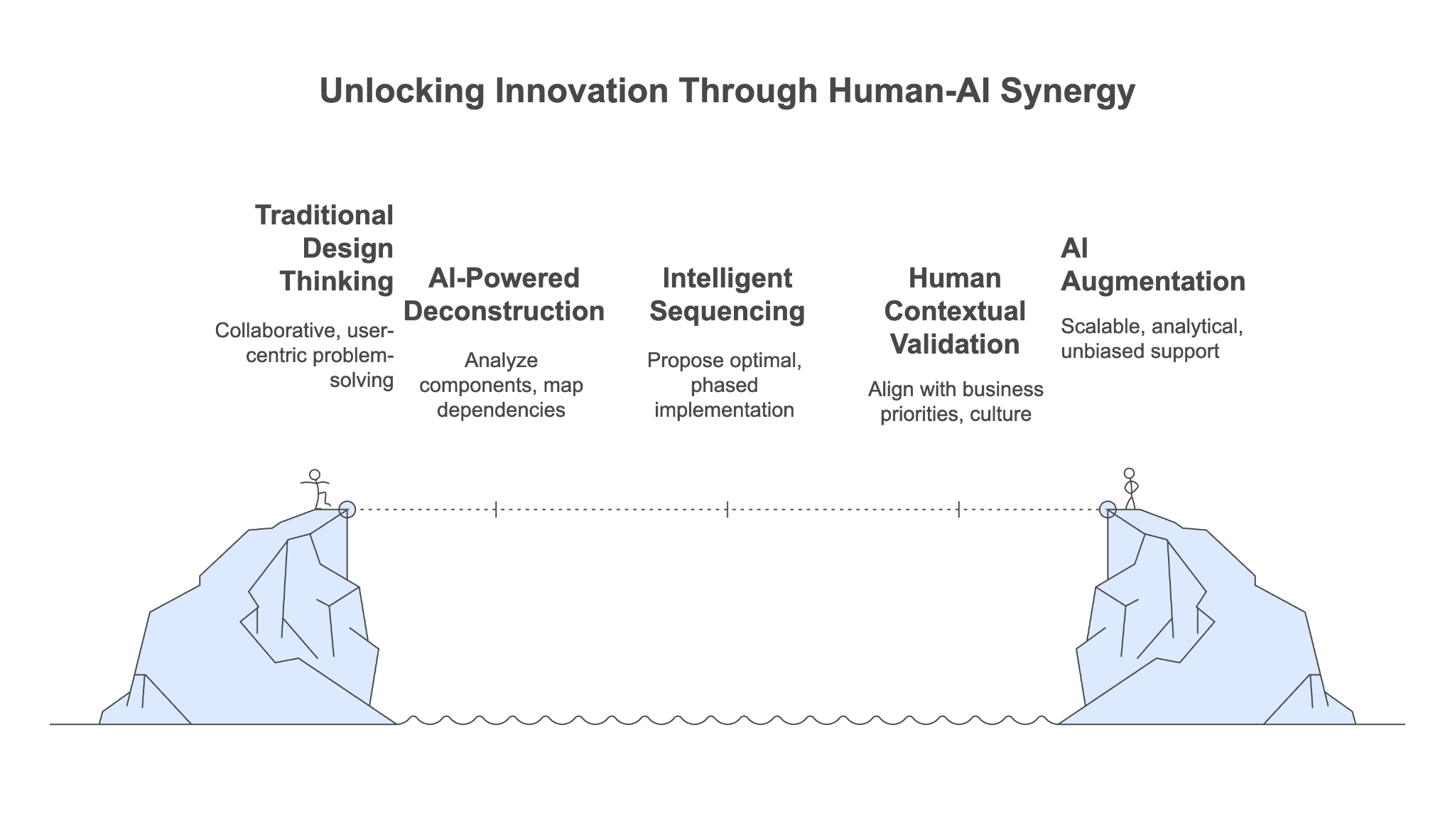
Figure 8.1: AI-enhanced Project Sequencing

Figure 8.1: AI-enhanced Project Sequencing

Canonical manuscript page 176
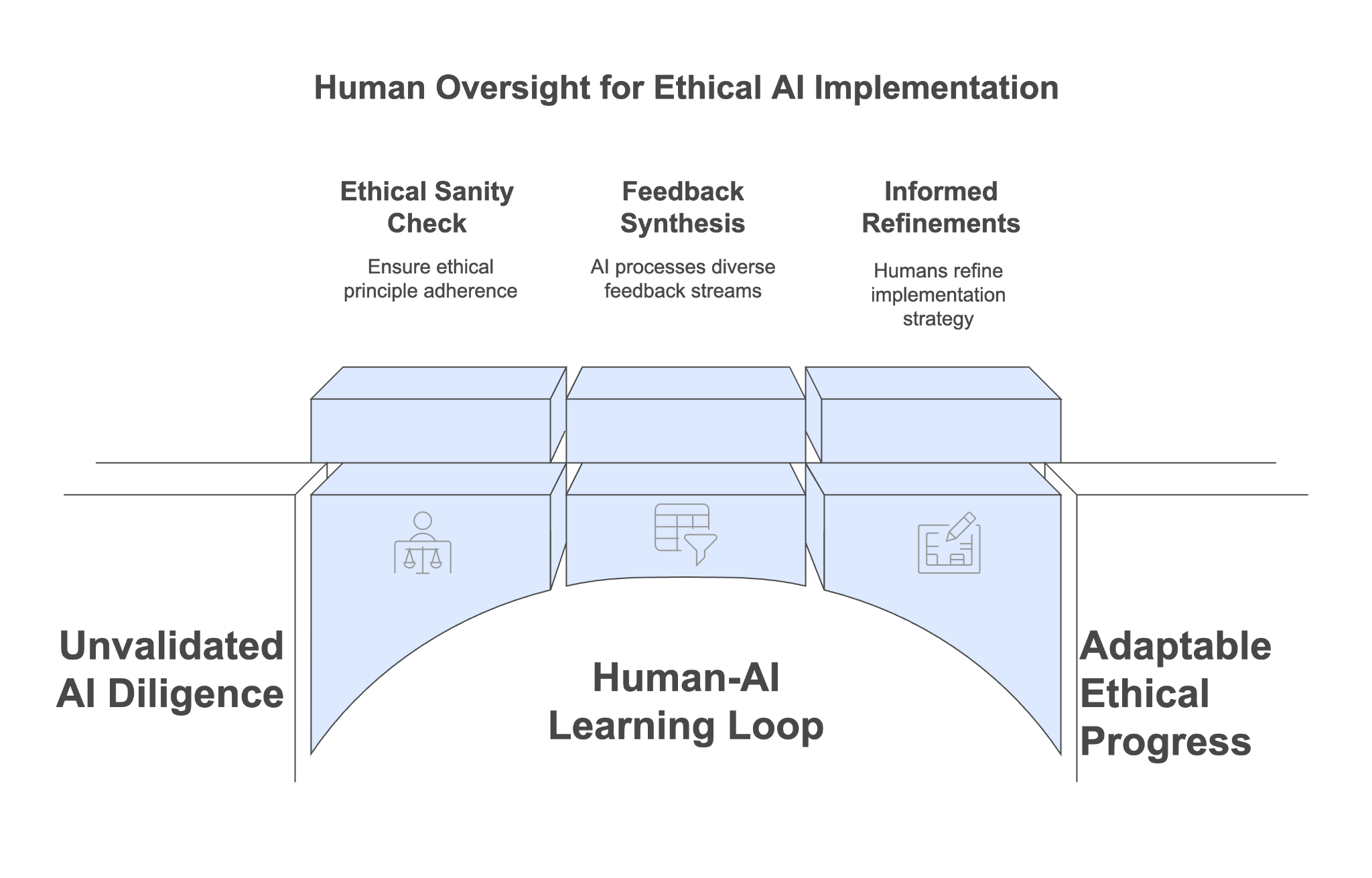
Figure 8.2: Human Oversight for Ethical AI Implementation

Figure 8.2: Human Oversight for Ethical AI Implementation

Canonical manuscript page 178
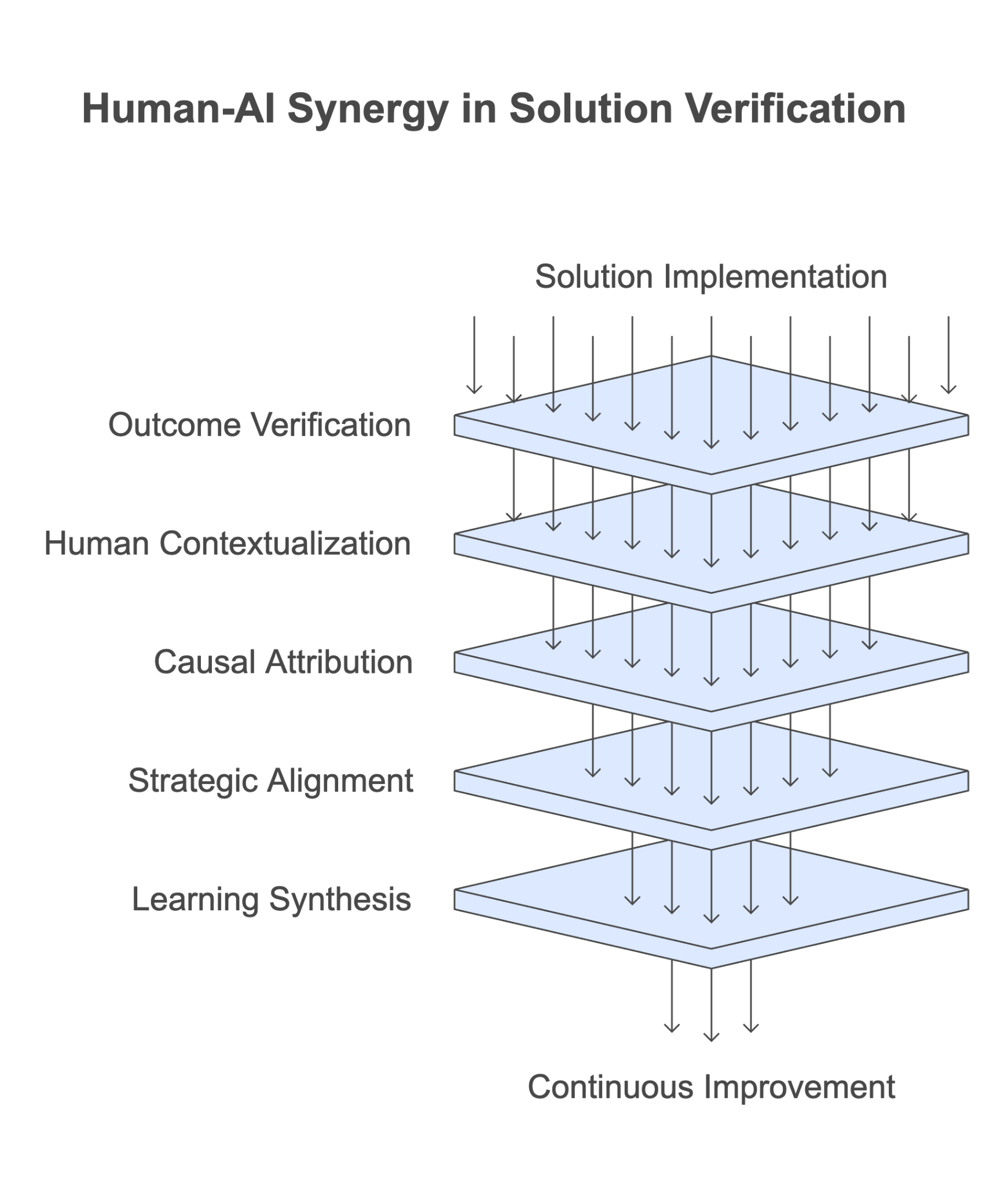
Figure 8.3: Human-AI Synergy in Solution Verification

Figure 8.3: Human-AI Synergy in Solution Verification

Canonical manuscript page 181

Source boundary: this companion derives from canonical manuscript pages 174-185. It publishes practice material and selected brief excerpts, not the complete chapter prose or manuscript PDF.